
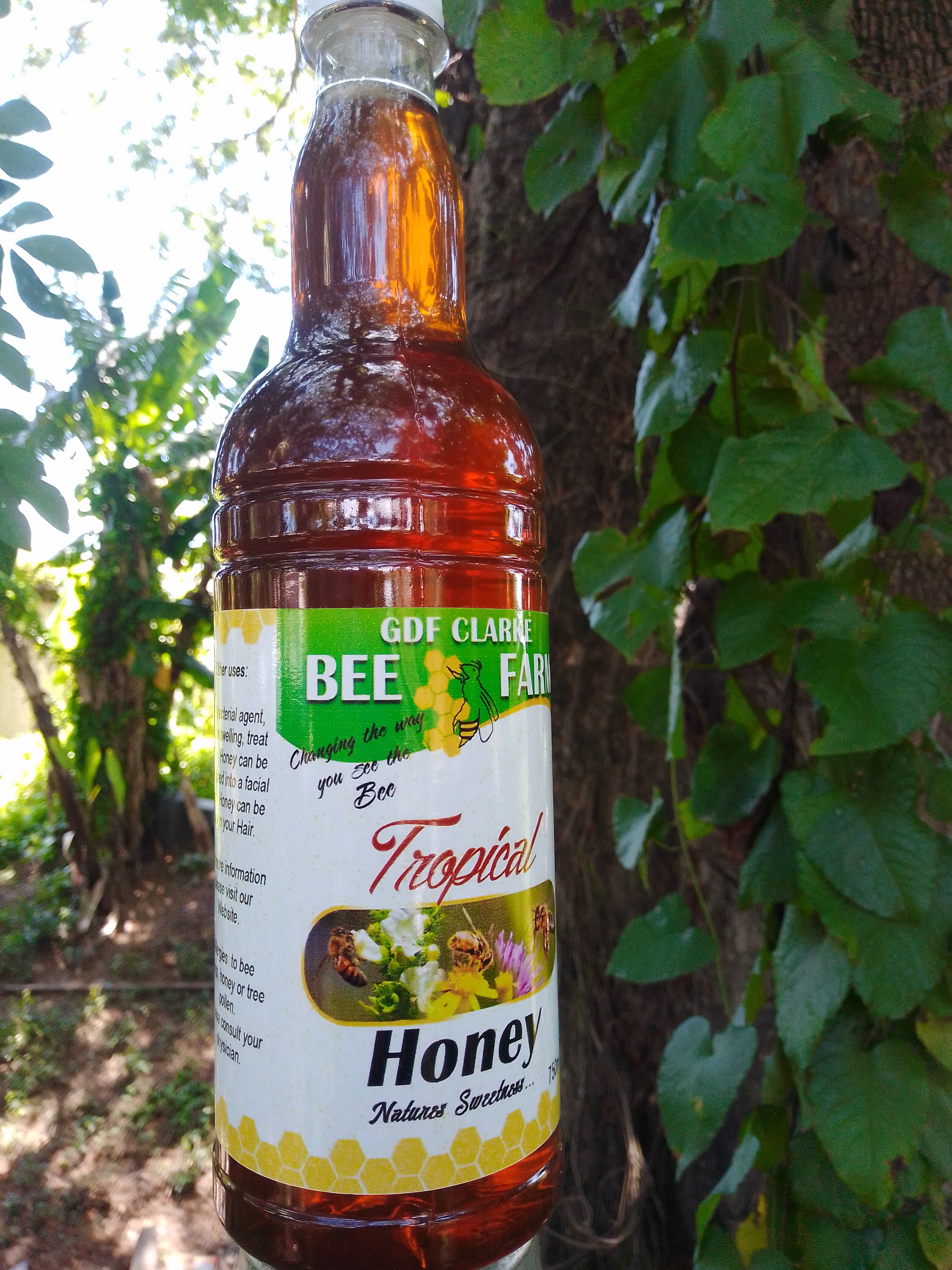
Jamaica’s Tropics as a wide variety flora that gives the unique taste. As for our big neighbors USA,CANADA etc, Farmers rent bee for pollination. Once this is done the crop increases 10 -100 times, for the bee keeper with apiary in farms that can be 2000 acres of oranges, apples etc, this Honey can be labeled orange Honey, apple honey etc.In Jamaica all the different flavor nectar’s is mix to make our Honey Jamaican. The enormous benefits of honey; its myriad varieties and host of health benefits. Its versatility and the goodness it can bring into your everyday practical life is WOW!. The fact is, honey is far better than what most people perceive. Researchers are turning up more and more new evidence of honey’s medical benefits in all directions. The benefits of honey don’t just stop at satisfying the palate; honey also offers incredible antiseptic, antioxidant and cleansing properties for our body and health, Honey has a long history of human consumption, and is used in various foods and beverages as a sweetener and flavoring. It also has a role in religion and symbolism. Flavors of honey vary based on the nectar source, and various types and grades of honey are available. It is also used in various medicinal traditions to treat ailments. How many of these honey varieties have you tasted?
ACACIA
Acacia is made from nectar collected from Acacia tree blossoms which produce a honey that is remarkably clear and pure. It is one of the most popular and sweetest honey varieties because of its mild delicate floral taste. It can remain in a liquid state for a long period of time due to its high concentration of fructose. Because of its low sucrose content, it is a great choice for diabetics. Known for its therapeutic action, Acacia cleanses the liver, regulates the intestine, and is anti-inflammatory for the respiratory system. This honey is excellent for sweetening without altering the taste or the aroma of beverages.
BUCKWHEAT
Now unusual and hard to find, Buckwheat honey is produced in Minnesota, New York, Ohio, Pennsylvania and Wisconsin as well as in eastern Canada. It is dark, full-bodied, and rich in iron — a key reason which it’s popular with honey lovers. Buckwheat honey has been found to contain more antioxidant compounds than some lighter honeys. It is perhaps the strongest and darkest of honey varieties. Most experts recommend using a strong-tasting type of honey, such as buckwheat for mead production, since the honey is diluted. I have yet to be able to find this honey, but am so curious to check it out because the sales people advised that even though it’s a popular variety in Europe, Asians generally do not accustom well to its strong spicy aroma and hence many suppliers have stopped importing it due to poor demand
EUCALYPTUS
Eucalyptus honey comes from one of the larger plant genera, containing over 500 distinct species and many hybrids. Its country of origin is Australia but is also produced largely in California. Widely available, it varies greatly in color and flavor but tends to have a special herbal flavor carrying a hint of menthol that may not be most pleasing to children’s palate. This honey is traditionally by many people as a protection against colds and headaches. As a tea lover, I would also recommend it as an ingredient to liven up your morning or afternoon tea. Click here for a detailed account of Eucalyptus honey.
LINDEN
The small-leaved linden tree which grows in moist, clay soil and has clusters of small, yellow-white fragrant flowers hanging from slender stems, is common throughout Denmark. It’s planted in gardens, parks and along road sides, city streets and boulevards. Linden honey is one of those honey varieties that will completely change the misconception of those who think that honey is no more than just sugared water. It has a light yellow color and a very distinctive yet delicate fresh woody scent. Because of its sedative and antiseptic qualities, it’s one of my favorite honey varieties before bedtime. It is recommended in cases of anxiety and insomnia, whereby honey can be combined with a bath of linden blossoms before sleep. Linden honey is also used in the treatment of colds, cough and bronchitis.
MANUKA
Found only in New Zealand’s coastal areas, Manuka honey is collected from the flower of the Tea Tree bush. The Unique Manuka Factor (UMF) found in some Manuka honey is an antibacterial property which is especially effective for healing of stomach ulcer, sore throats, colds, indigestion, acne and pimples. Some people find Manuka honey too “medicinal” in taste but as mentioned, the intensity can vary from brand to brand due to the difference in source. Personally I love its robust taste – the best is to eat it direct straight from the spoon!
Like
Dislike
Bitter honey offers antimicrobial, antioxidant, and anti-inflammatory benefits, supporting digestion, immunity, and overall wellness when consumed in moderation.
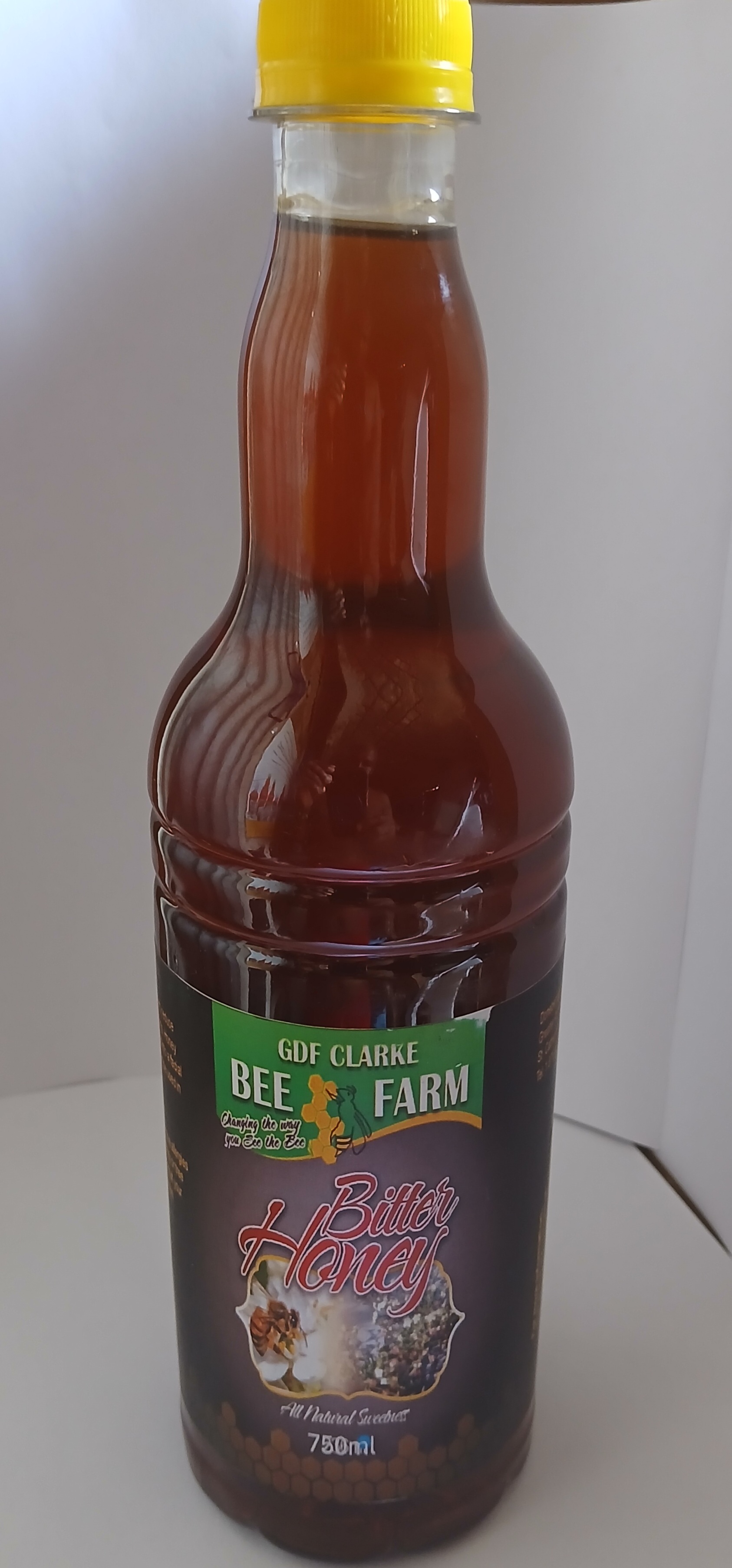
Antimicrobial and Anti-inflammatory Properties: Bitter honey contains bioactive compounds such as methylglyoxal (MGO) and phenolic acids, which exhibit antibacterial and antifungal activity against pathogens like E. coli, Staphylococcus aureus, and Candida albicans. This makes it useful for wound healing, soothing sore throats, and supporting general immune defense beekeepercorner.com+2.
Antioxidant Support: The high concentration of plant-derived phenolic compounds in bitter honey provides strong antioxidant activity, helping to neutralize free radicals and reduce oxidative stress, which may contribute to better skin health and overall cellular protection scienceinsights.org+1.
Digestive Health: Traditionally, bitter honey has been used to aid digestion, relieve indigestion, and support gut health. Its natural enzymes and bioactive compounds can help regulate digestive processes and reduce inflammation in the gastrointestinal tract beekeepercorner.com+2.
Mineral Content: Bitter honey is a source of essential minerals such as iron, potassium, calcium, and magnesium. These minerals support red blood cell production, maintain healthy blood pressure, strengthen bones, and promote proper nerve function beekeepercorner.com+1.
Blood Sugar and Energy: While it contains natural sugars, bitter honey may influence blood sugar differently than refined sugar due to its fructose content and bioactive compounds. It provides a natural energy boost and can be used in small amounts to enhance satiety and reduce post-meal sugar spikes scienceinsights.org+1.
Culinary and Nutritional Use: Bitter honey can be incorporated into teas, yogurt, oatmeal, salad dressings, or paired with cheeses and roasted vegetables. Consuming 1–2 teaspoons per day is generally recommended to enjoy its health benefits without excessive sugar intake beekeepercorner.com+1.
Safety Considerations
Not all bitter honey is safe. “Mad honey,” derived from certain rhododendron species, contains grayanotoxins and can cause poisoning. Safe bitter honey, such as that from the strawberry tree, is food-safe and widely used in Mediterranean regions scienceinsights.org. Children under one year should not consume any honey due to the risk of infant botulism, and individuals with pollen allergies or on medications should consult a healthcare professional before regular use
pepebocca.com.
In summary, bitter honey is a nutrient-rich, functional food with antimicrobial, antioxidant, and digestive benefits. When sourced safely and consumed in moderation, it can support immunity, skin health, and overall wellness while adding a unique flavor to foods and beverages

